RareKids-CAN Strategic Plan
Strategic Communications | Brand Strategy | Executive Collaboration | Creative Direction
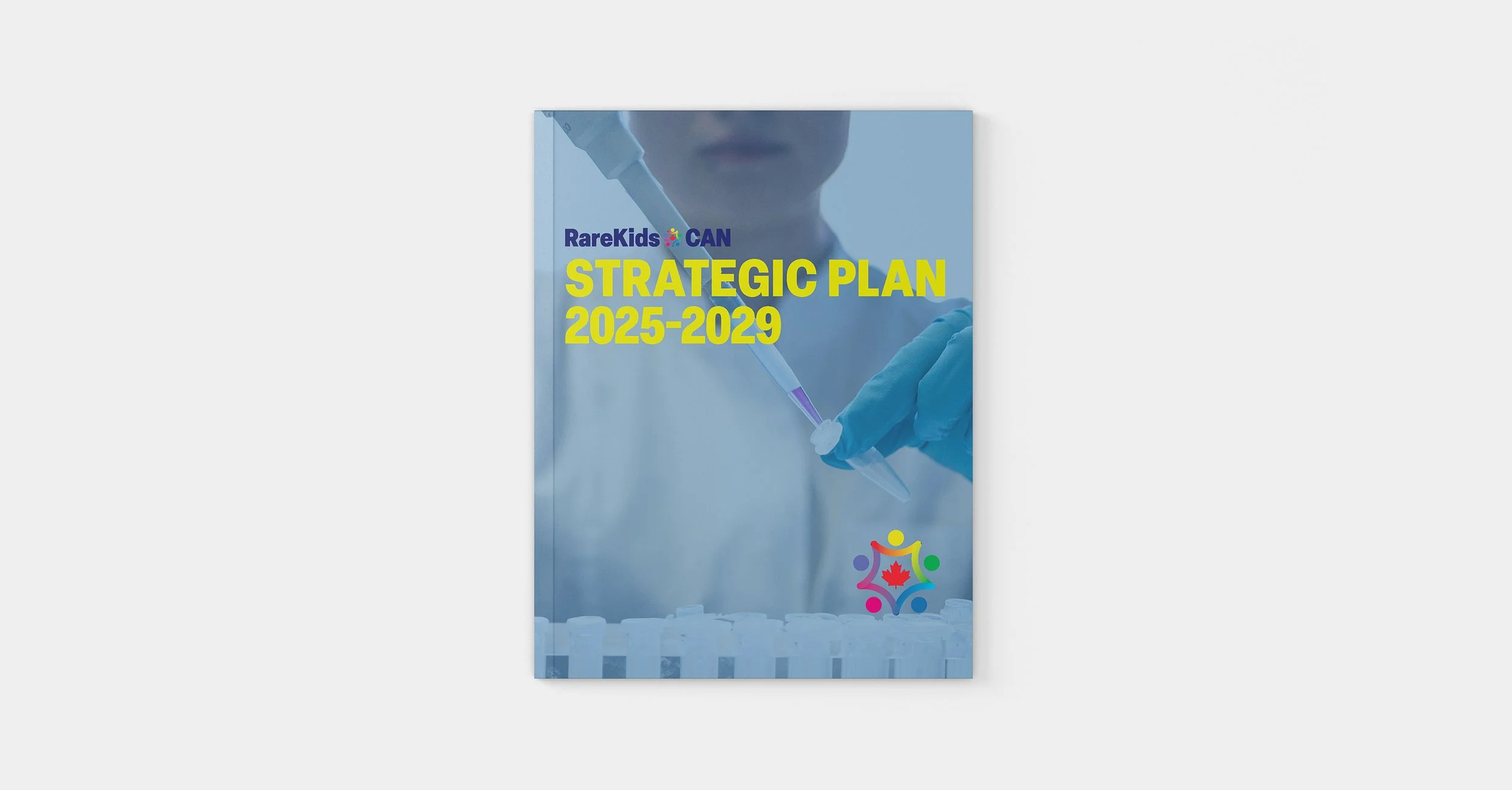
RareKids-CAN is Canada’s national Pediatric Rare Disease Clinical Trials and Treatment Network. As the organization entered its next phase of growth, its strategic direction evolved beyond supporting individual clinical trials toward enabling broader change across Canada’s pediatric rare disease ecosystem.
The 2025–2029 Strategic Plan needed to communicate that ambition clearly to a diverse audience that included researchers, clinicians, policymakers, regulators, industry partners, patients, families and funders.
My role was to translate a complex organizational strategy into a clear, accessible and engaging communications platform that could support RareKids-CAN well beyond the publication itself.
Communications Strategy
Working closely with executive leadership, I developed the communications approach for the strategic plan, translating organizational priorities into clear messaging and establishing a narrative and information structure that could work for audiences with very different levels of scientific, clinical and policy knowledge.
The goal was not simply to publish a planning document. We wanted the strategy to become a practical communications and engagement tool that could support stakeholder conversations, advocacy, funding discussions and organizational alignment.
I developed the content hierarchy and communications framework with that broader use in mind, balancing scientific credibility and complexity with clarity and accessibility.
Brand & Creative Direction
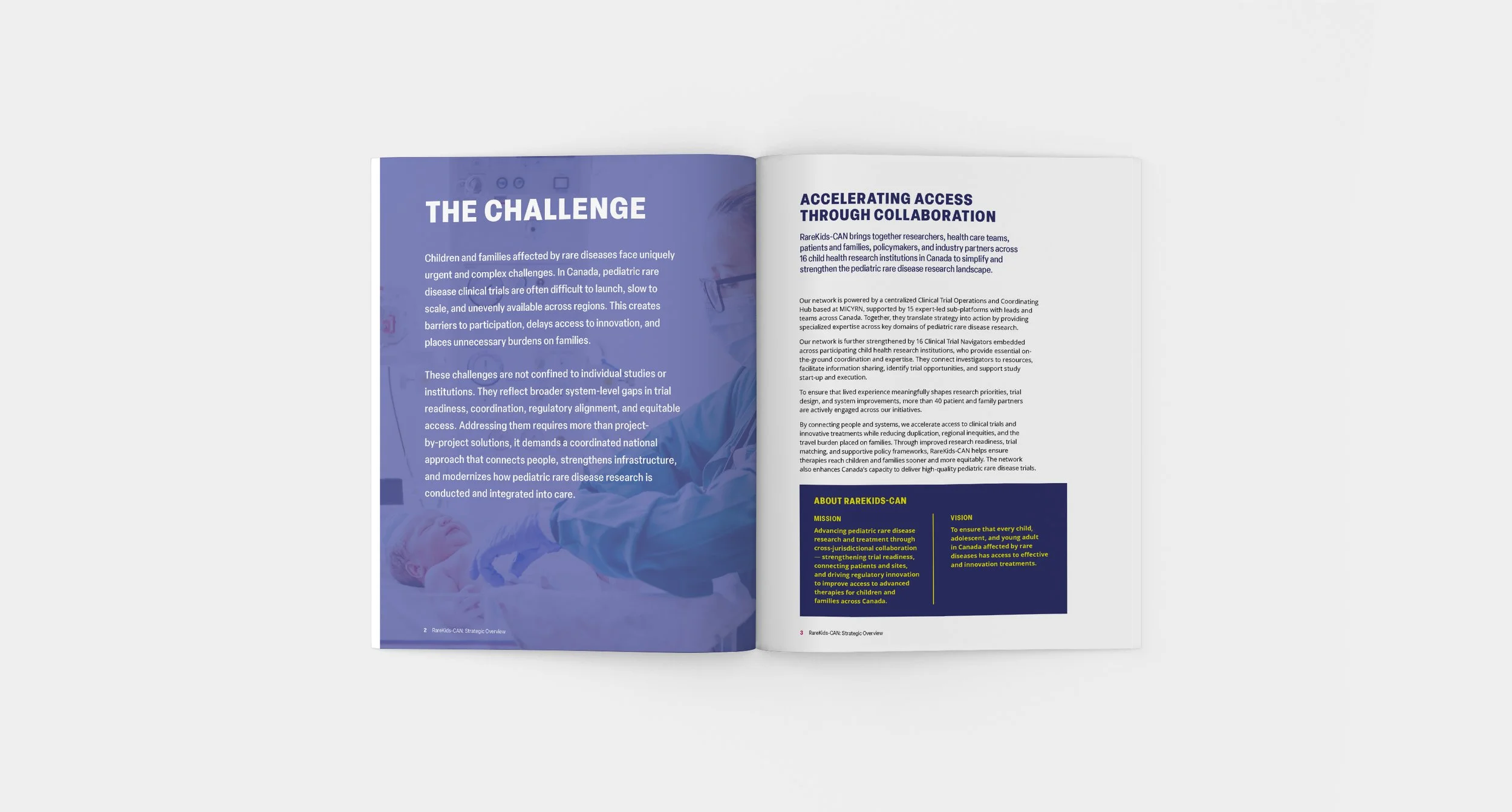
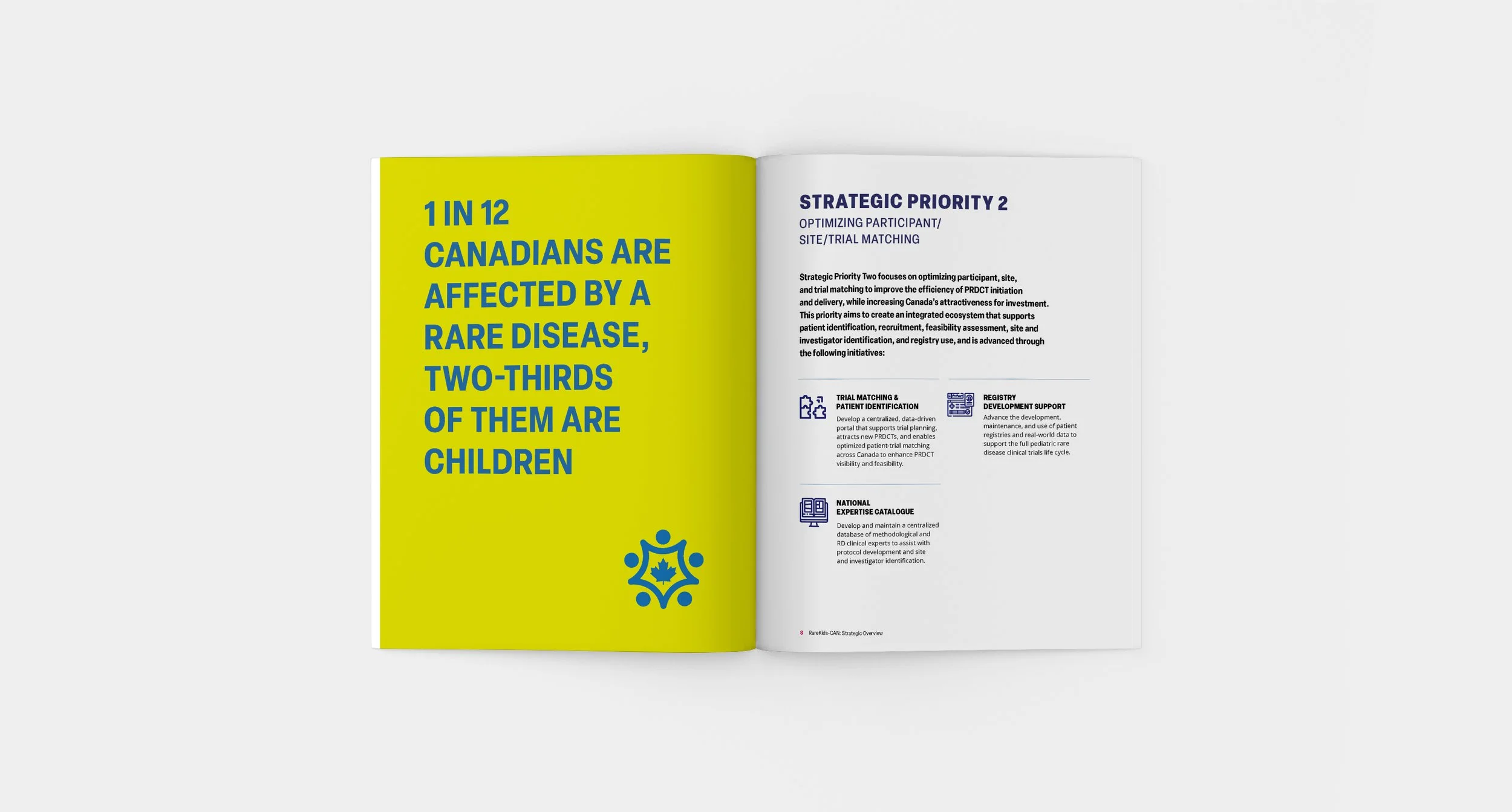
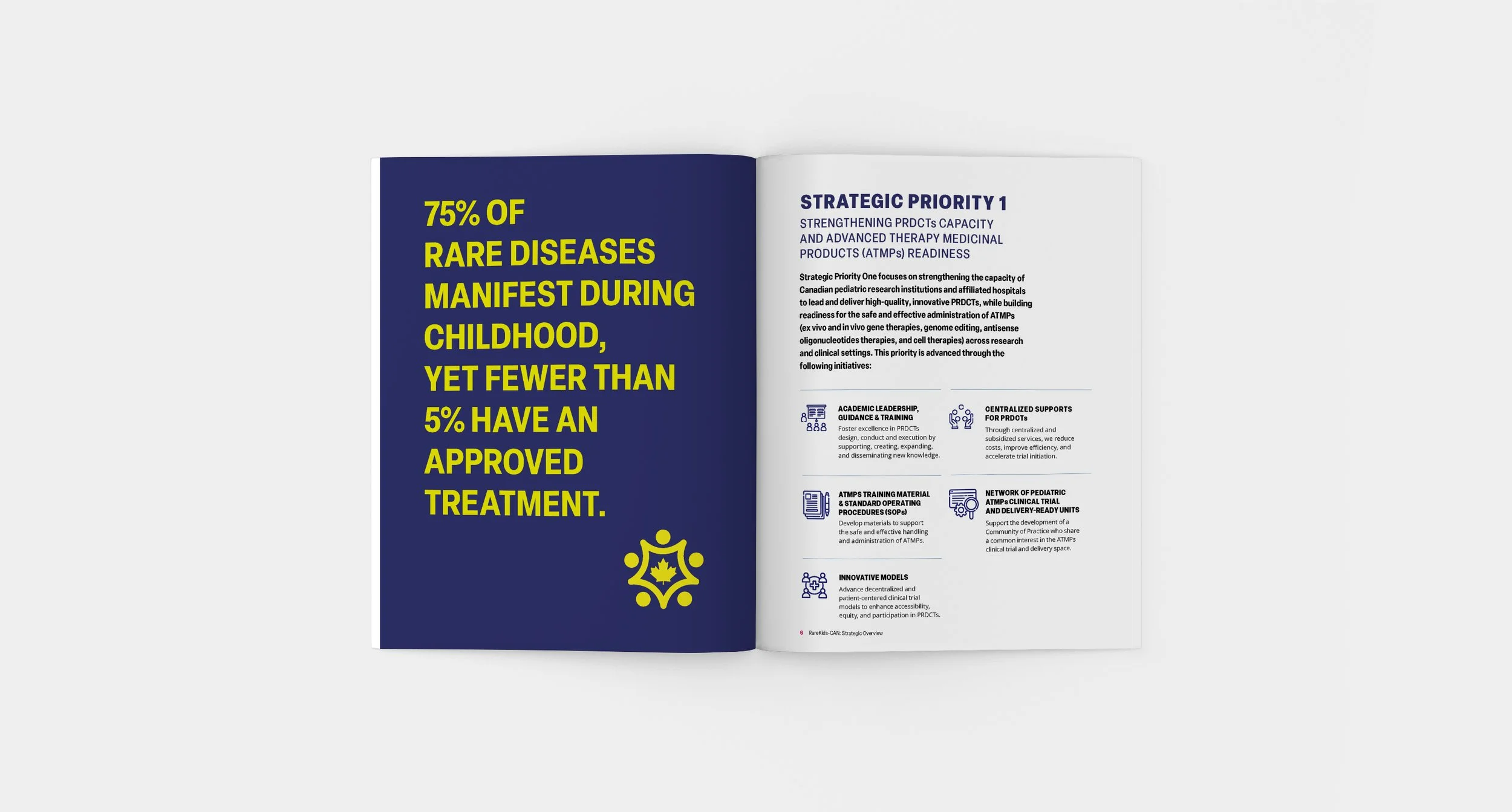
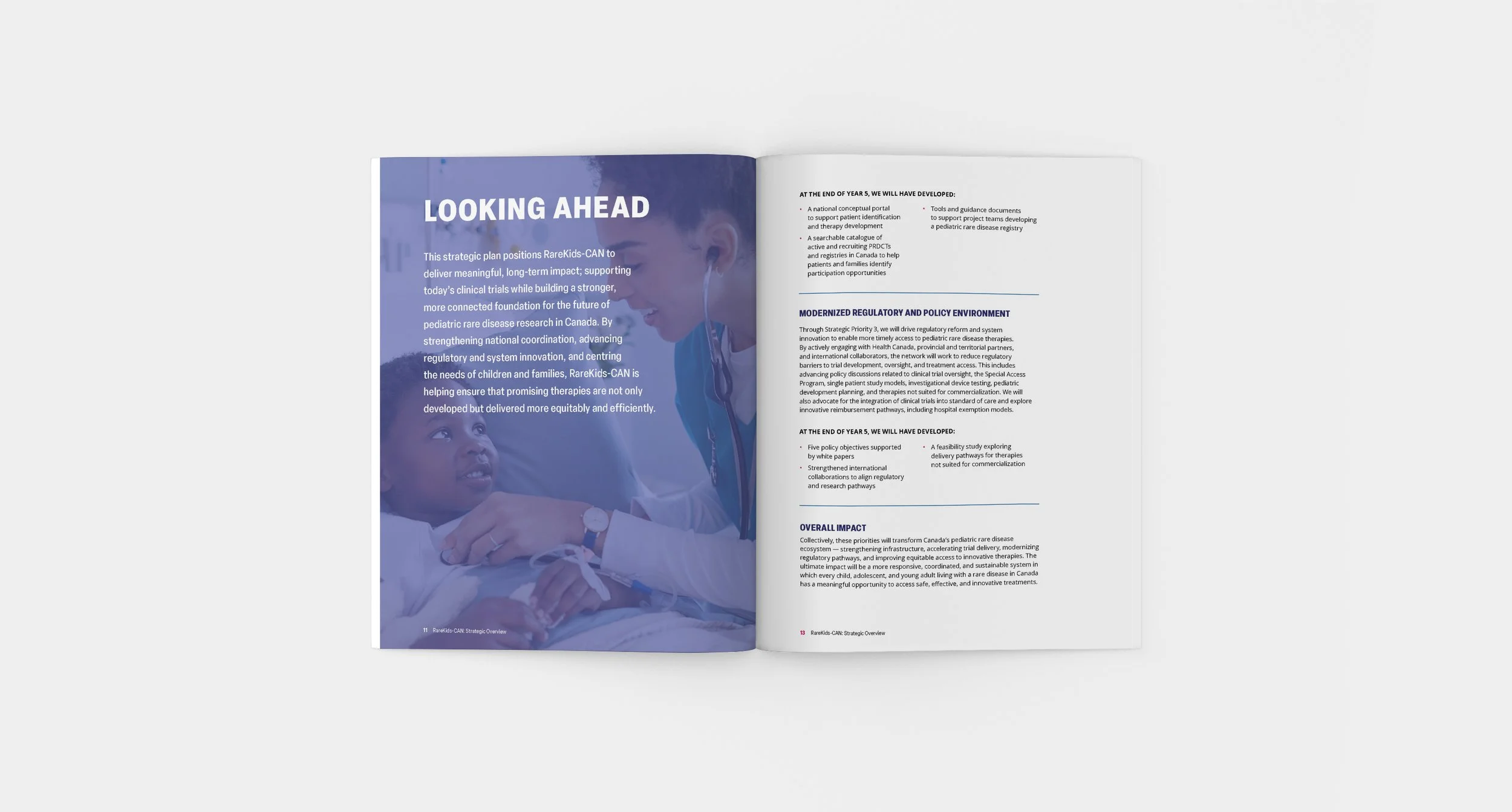
I led the creative direction and editorial design of the strategic plan, developing a visual approach that made complex systems-level ideas easier to understand through information design, visual frameworks, iconography and clear editorial hierarchy.
The publication was structured around RareKids-CAN’s three strategic priorities, creating a clear narrative connecting individual priorities to the network’s broader vision for pediatric rare disease research and treatment in Canada.
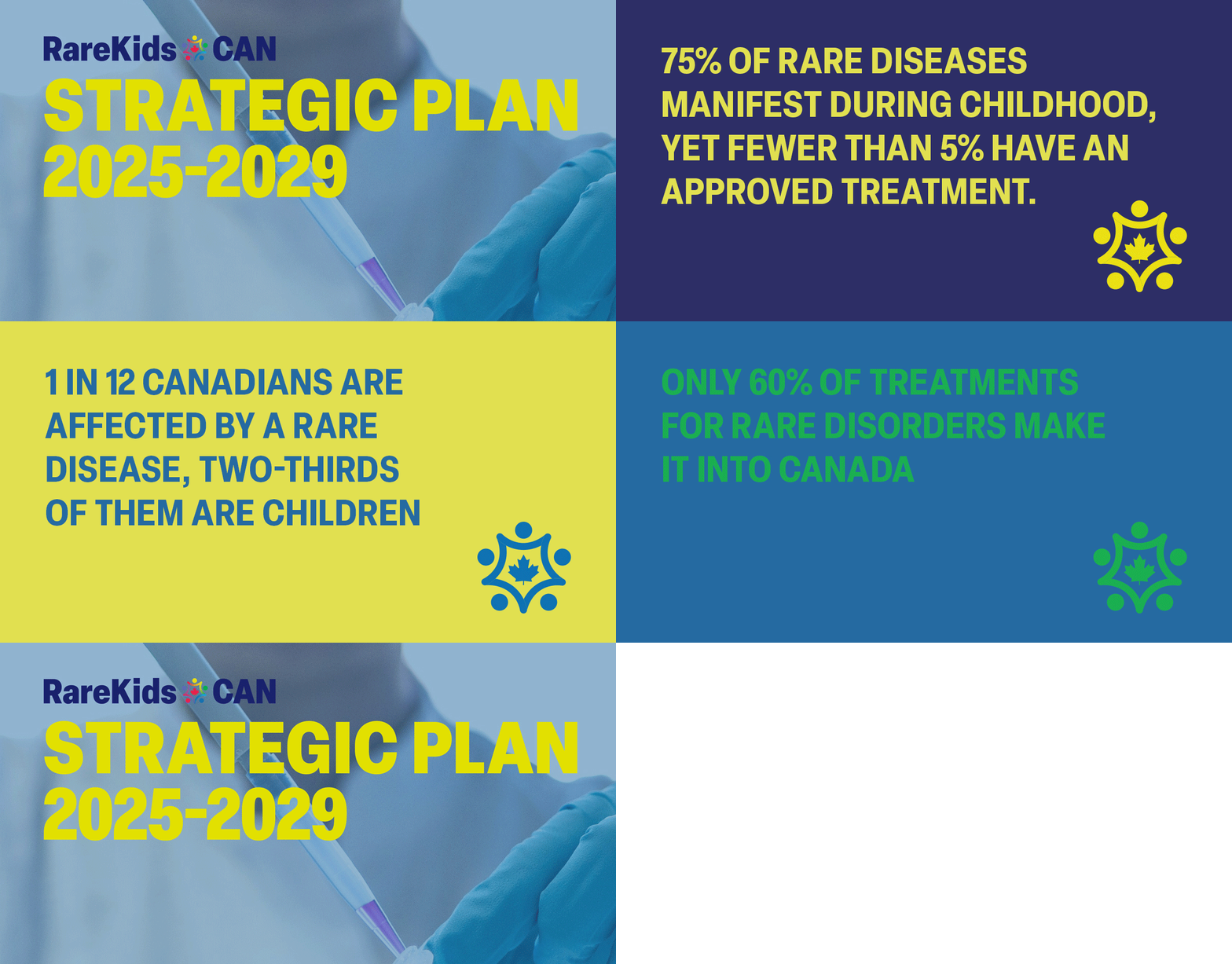
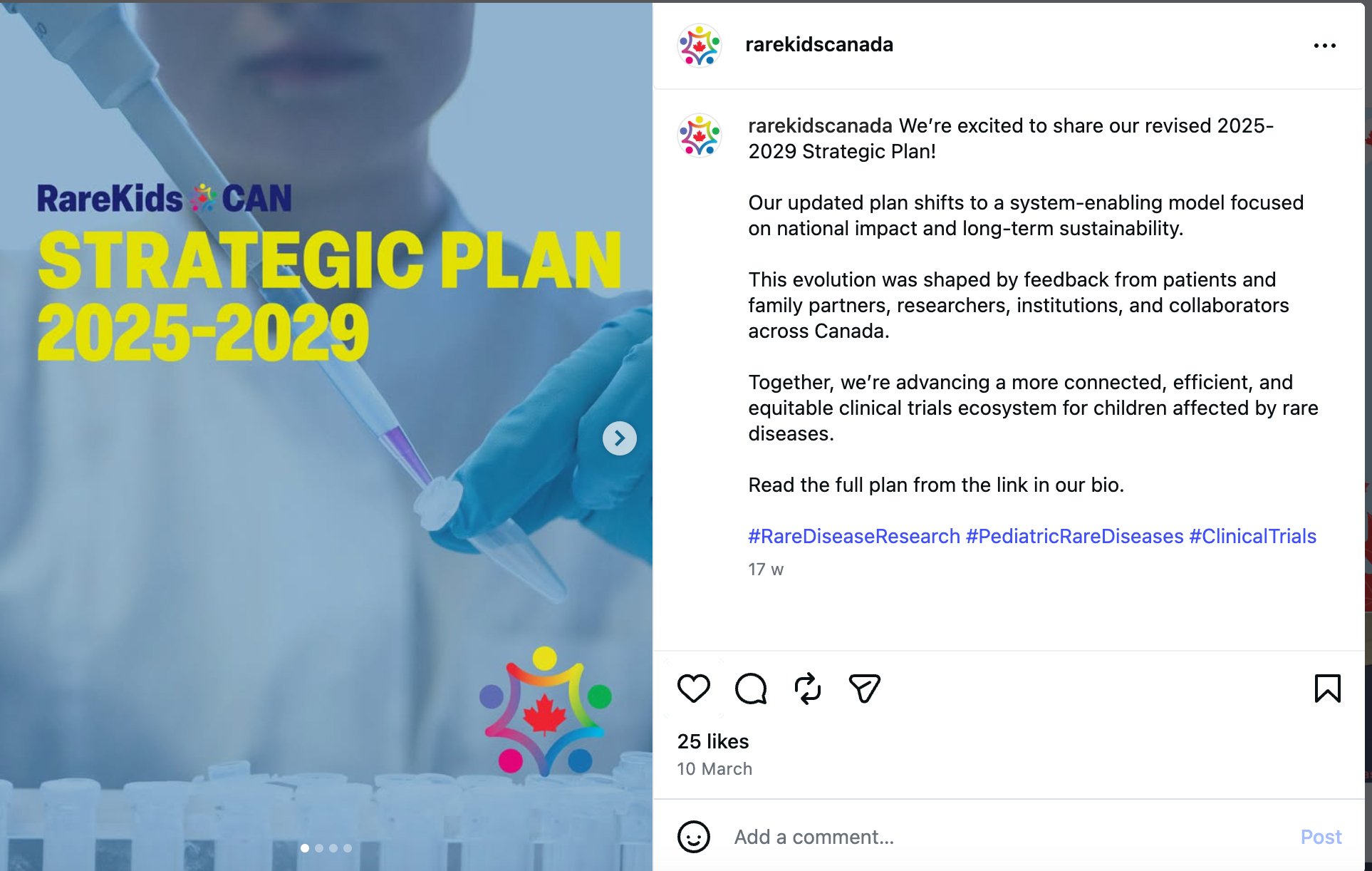
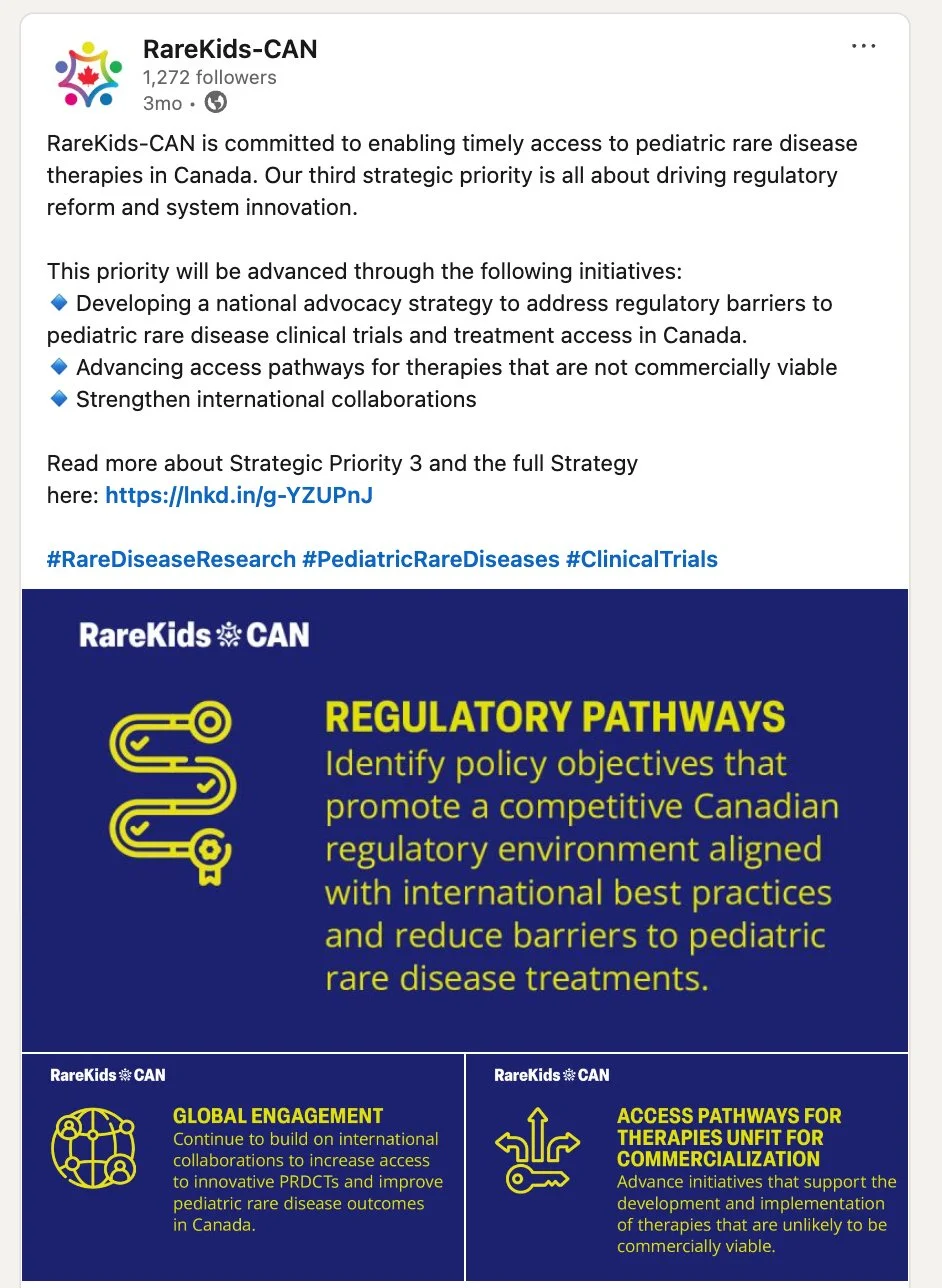
The project also became an important part of RareKids-CAN’s broader brand evolution. The visual system developed for the strategy helped establish a foundation that could extend into presentations, advocacy materials, marketing collateral, social media and digital communications.
Extending the Strategy
The strategic plan was designed from the outset to work beyond the publication itself.
Messaging, visual elements and strategic priorities were adapted across communications channels, allowing the organization to present a consistent narrative to different audiences and in different contexts.
This gave leadership and the broader team a common communications platform for explaining not only what RareKids-CAN does, but where the organization is going and why that direction matters.
My Role
Strategic communications
Executive collaboration
Messaging and narrative development
Information architecture
Brand strategy
Creative direction
Editorial design
Information design and data visualization
Stakeholder communications
Advocacy communications
Digital and social media adaptation
The Result
The completed strategic plan became a central strategic communications resource for RareKids-CAN, supporting executive presentations, stakeholder engagement, government relations, funding discussions, advocacy initiatives, conference materials and digital communications.
By translating a complex health-system strategy into an accessible narrative and visual system, the project gave RareKids-CAN a clearer and more consistent way to communicate its priorities across its national network and with external stakeholders.